Travel By Kar
Fleming Island Travel
Individual and Group Travel Worldwide
9046991428
9042649888
Fleming Island Travel
Individual and Group Travel Worldwide
9046991428
9042649888

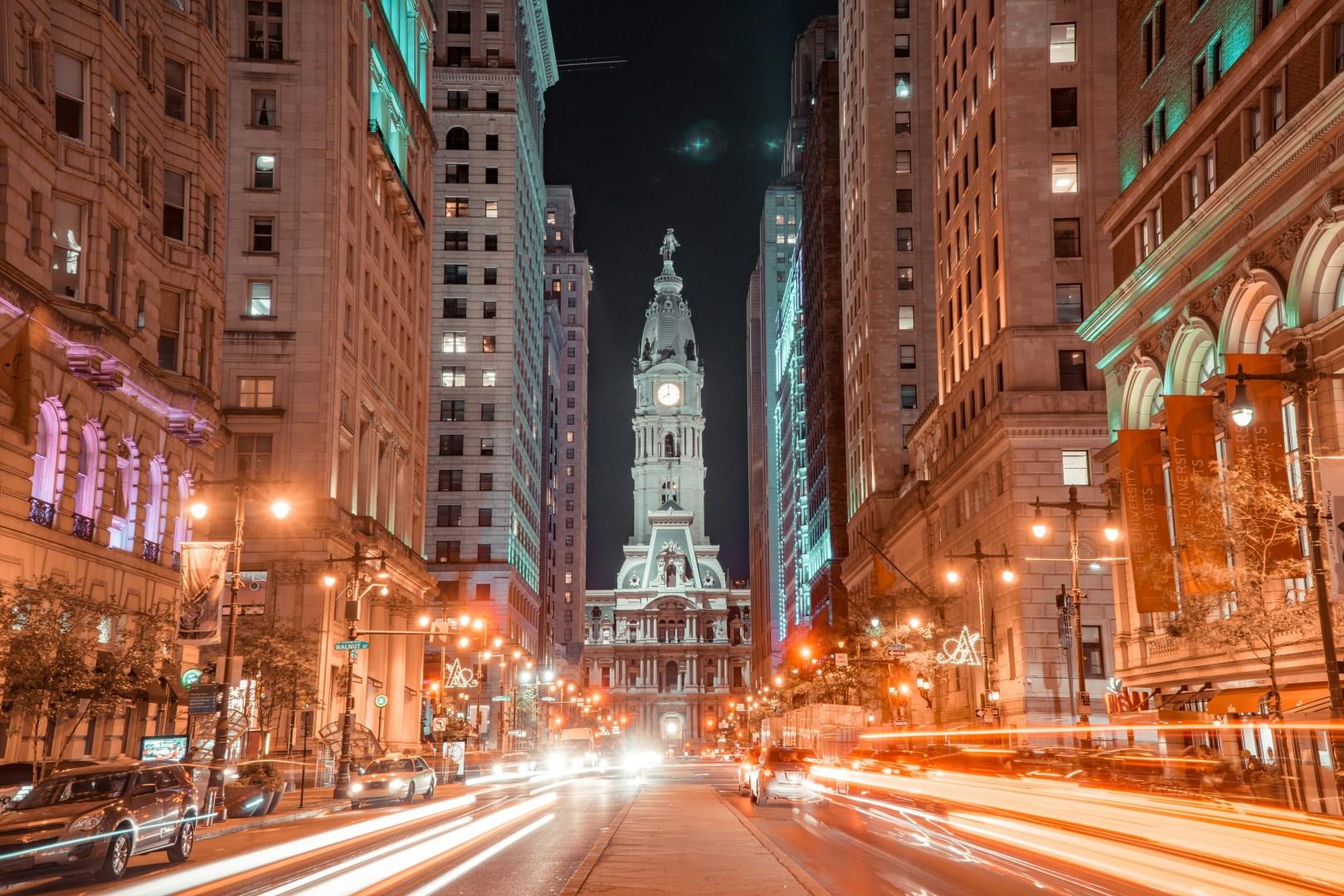
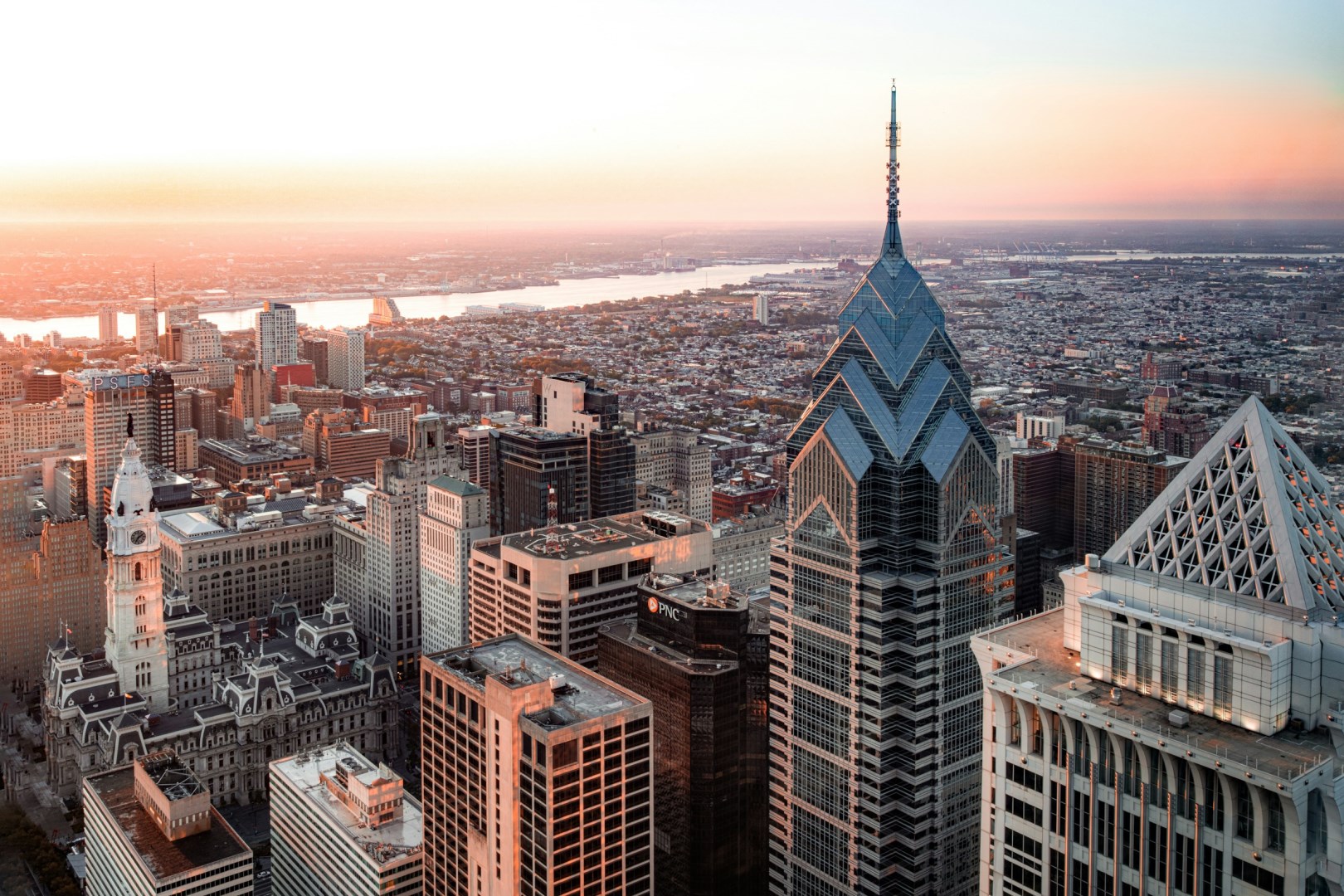
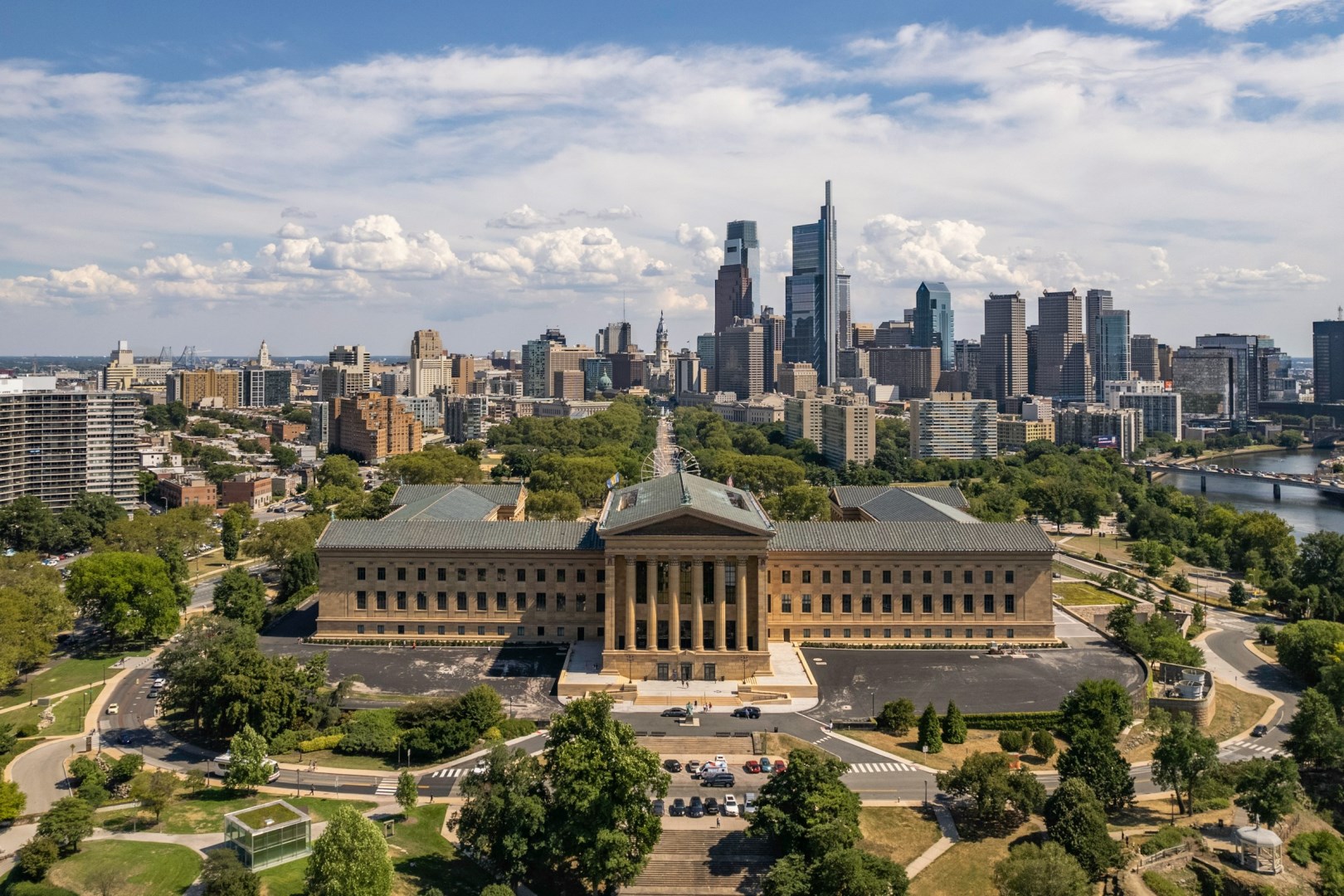

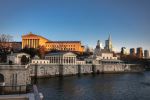

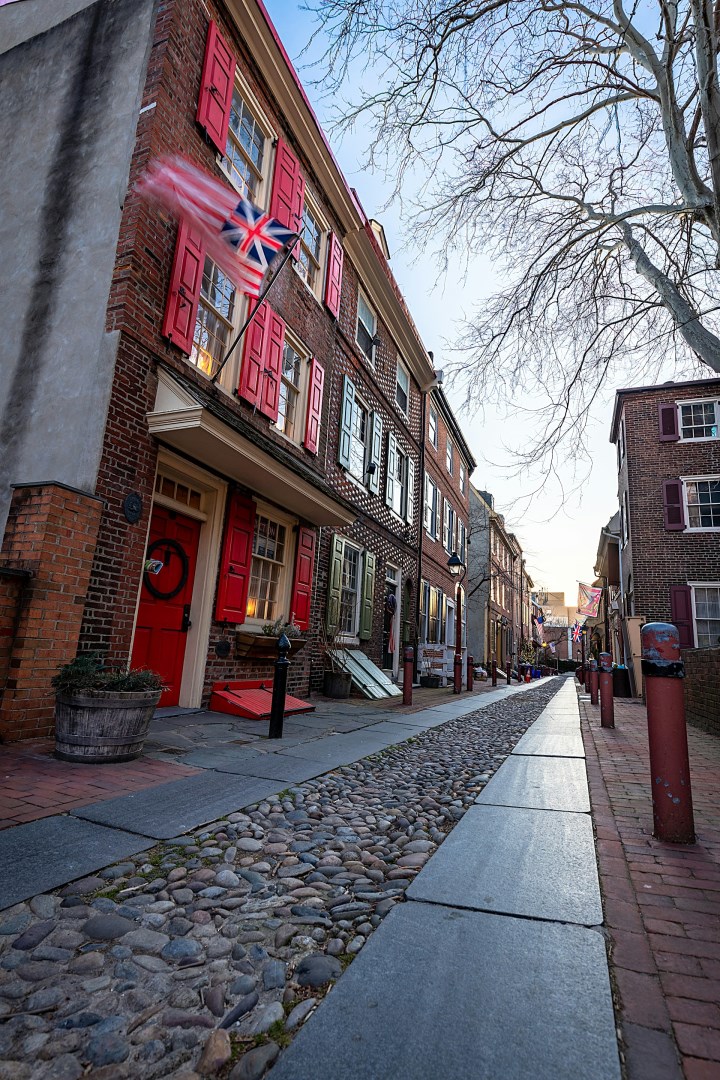
Philadelphia, the birthplace of American democracy, offers visitors a rare opportunity to walk through the very streets where the nation’s founding ideals were debated, signed, and set into motion. Independence Hall is the site where the Declaration of Independence and the Constitution were debated and signed, but today it’s part of a walkable historic district filled with working markets, local artisans, and cafes. Just steps away, the Liberty Bell, with its distinctive crack, still draws quiet reflection, but what surprises many visitors is how lively the Old City district feels today with contemporary art galleries, performance venues, and restaurants housed in 18th-century buildings.
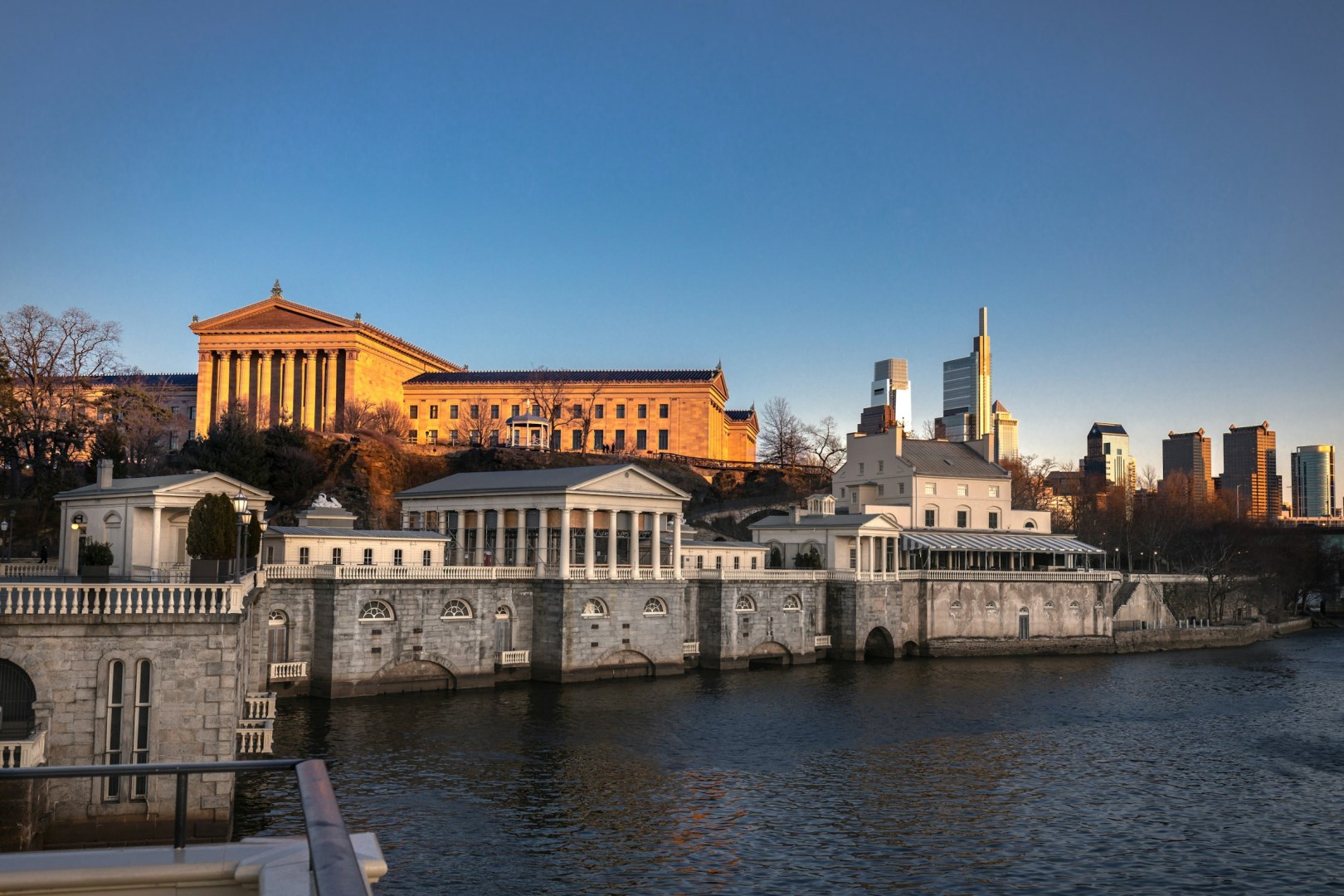
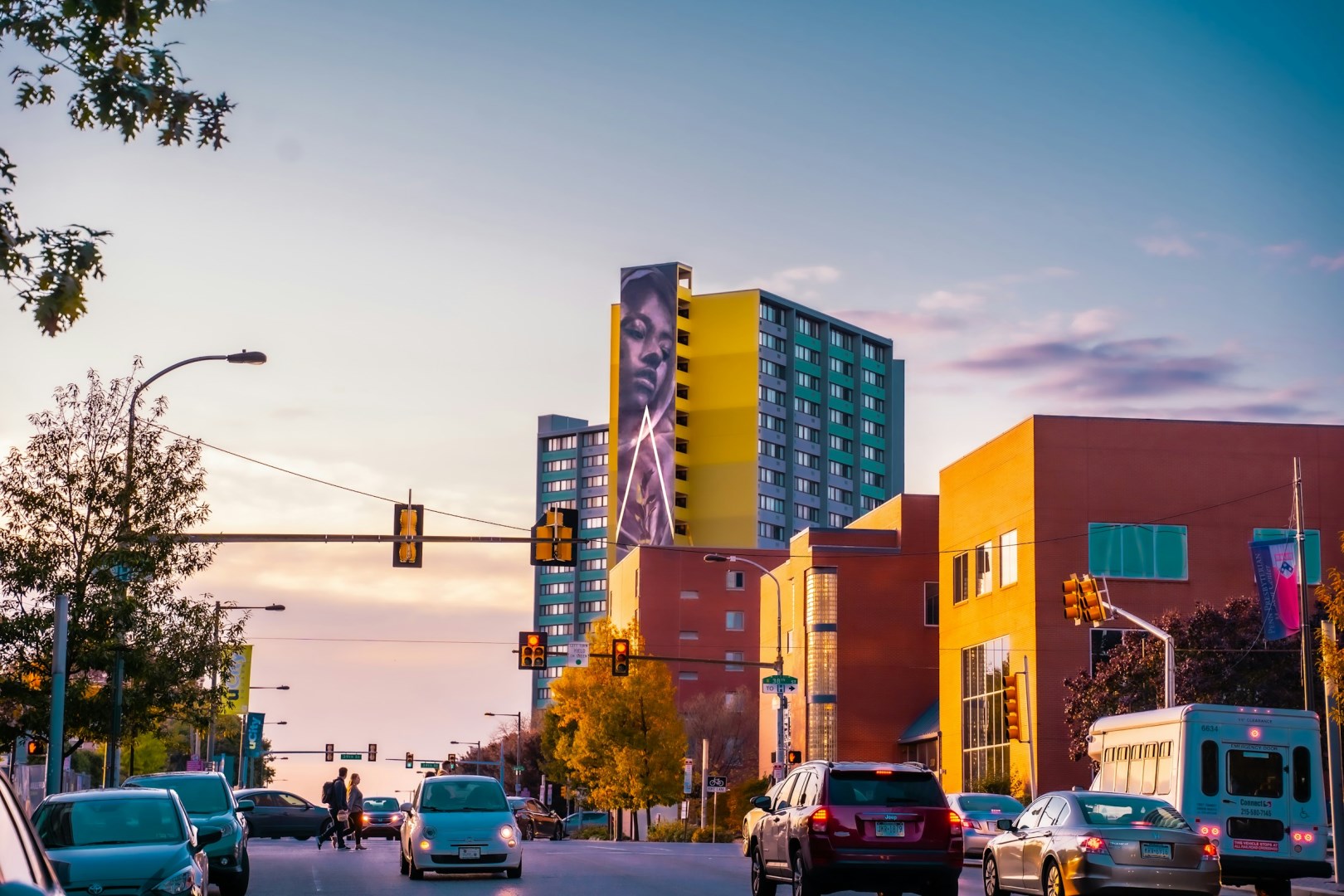
The city's art scene is as bold as its history. The Philadelphia Museum of Art is home to works by Van Gogh, Duchamp, and an entire Japanese teahouse, but it might be better known for the "Rocky Steps" out front, where visitors recreate the famous movie scene daily. Along the Benjamin Franklin Parkway, museums like The Barnes Foundation and the Rodin Museum offer world-class collections. And just across the Schuylkill River, the city’s Mural Arts program has turned entire neighborhoods into open-air galleries, with more than 4,000 murals telling stories of community and identity.
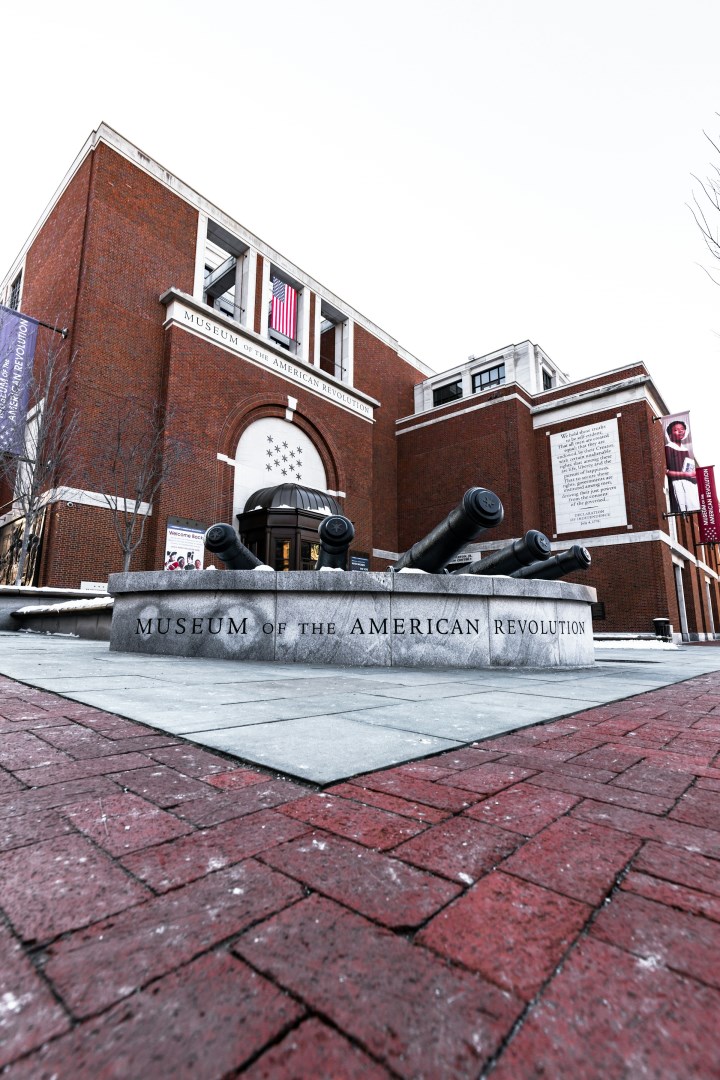
The Museum of the American Revolution is located in Philadelphia’s Old City, just steps from Independence Hall and the Liberty Bell. The museum examines the people, events, and ideas that shaped the American Revolution through original artifacts, artwork, documents, reconstructed scenes, and interactive displays. Its galleries follow the conflict from the growth of resistance to British rule through the creation of the new United States. Rather than focusing only on military leaders, the museum presents experiences of soldiers, women, Native peoples, Loyalists, free and enslaved people of African descent, and other communities affected by the Revolution.
The museum’s core exhibition is organized into four sections: The Road to Independence, The Darkest Hour, A Revolutionary War, and A New Nation. Visitors encounter objects connected with political debate, military life, family experiences, and the struggle over competing ideas of liberty. The Oneida Nation Gallery explores the difficult decision faced by the Oneida people during the conflict, while other displays examine the experiences of Black Americans and women. Life-size historical scenes, films, and interactive elements help place individual stories within the broader social and political changes taking place in Philadelphia and British North America.
One of the museum’s most significant objects is George Washington’s original Revolutionary War headquarters tent, preserved as the centerpiece of a dedicated theater presentation. Other galleries feature weapons, personal belongings, manuscripts, artwork, and printed materials from the revolutionary era. The museum building itself stands within Philadelphia’s historic district, making it possible to connect its exhibits with nearby sites such as Independence Hall, Congress Hall, and the Liberty Bell Center. Its outdoor plaza includes Revolutionary-era cannons, bronze reliefs depicting Washington Crossing the Delaware and the Declaration of Independence, and text from the Declaration carved into limestone.
The museum also offers hands-on experiences for families through Revolution Place, a discovery center recreating a military encampment, tavern, and home from Philadelphia’s revolutionary-era neighborhood. These settings introduce younger visitors to everyday life rather than concentrating solely on political events and battles. The museum’s collection contains several thousand objects, works of art, manuscripts, and printed works connected with the period. A distinctive feature of the institution is its location: it stands within a dense concentration of Philadelphia landmarks associated with the founding of the United States, allowing visitors to pair museum exhibits with the historic buildings and streets discussed inside its galleries.